Turn Down the Noise, Turn Up the Comfort: How Sound Shapes Your Coziest Spaces
There's a moment you probably know well. You sink into your favorite chair, the lighting is just right, there's a warm drink in your hand — and then a truck rumbles past outside, or your neighbor's TV bleeds through the wall, or the HVAC kicks on with a clank. And just like that, the spell is broken.
We put a lot of thought into the visual and tactile elements of a cozy home. Soft textures, warm tones, good layering — all of it matters. But the acoustic environment? That tends to be an afterthought, if it's thought about at all. And that's a shame, because sound might be the single most underrated ingredient in genuine home comfort.
Let's fix that.
Why Your Ears Are Running the Cozy Show
Your nervous system is constantly scanning your environment for signs of safety or threat, and sound is one of the primary channels it uses to do that. Sharp, unpredictable noises — a door slamming, a car alarm, a raised voice from somewhere in the building — trigger a mild stress response whether you consciously register them or not. Your cortisol ticks up. Your muscles tighten slightly. Your focus fragments.
Conversely, soft, predictable, rhythmic sounds do the opposite. They signal to your brain that the environment is stable and safe. Think about why rain on a rooftop feels so soothing, or why the crackling of a fireplace is practically synonymous with comfort. Those sounds aren't just pleasant — they're neurologically reassuring.
Researchers studying what's sometimes called "restorative environments" have found that natural soundscapes in particular — flowing water, rustling leaves, birdsong — are especially effective at reducing mental fatigue and promoting recovery from stress. Your favorite cozy corner isn't just a vibe. It's a carefully (if accidentally) curated acoustic experience.
The Problem With Most American Homes
Here's the honest truth: most homes in the US are not designed with acoustics in mind. Open floor plans, which have dominated residential design for decades, are notoriously bad at containing sound. Hard flooring — tile, hardwood, luxury vinyl plank — reflects and amplifies noise rather than absorbing it. Thin drywall between rooms (or between units in an apartment building) does very little to block sound transmission.
Add in the ambient noise of modern life — HVAC systems, appliances, street traffic, delivery notifications — and the average American home is actually a pretty loud place. We've just normalized it. But normalization isn't the same as it not affecting you.
The good news is that you don't need to renovate your entire house to meaningfully improve your acoustic environment. Small, intentional changes make a real difference.
Soften the Hard Edges
Sound bounces off hard surfaces and gets absorbed by soft ones. That's the basic physics, and it's your best friend when it comes to creating a quieter, cozier space.
The single highest-impact thing most people can do is add a large area rug to any room with hard flooring. Not a small accent rug — a substantial one that covers most of the floor space. The difference in how a room sounds and feels is remarkable. Beyond that, think about:
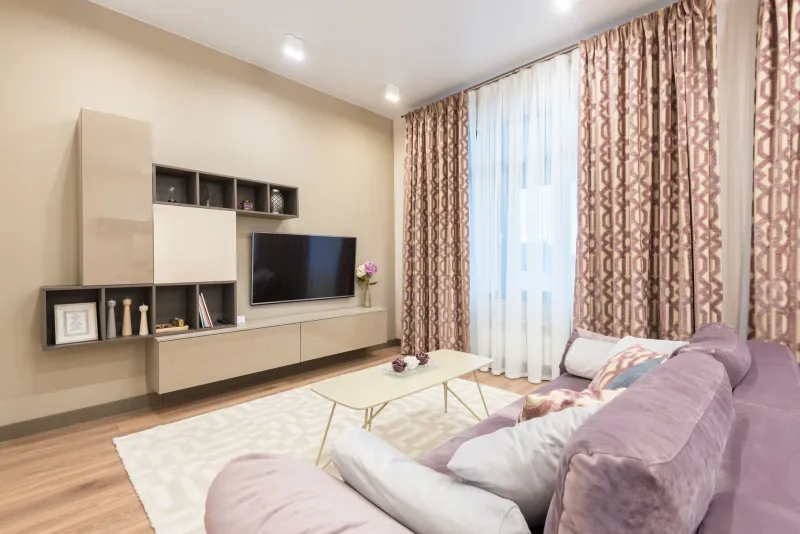
- Heavy curtains or drapes that extend from ceiling to floor. These do double duty, absorbing both sound and helping with light control.
- Upholstered furniture rather than all-hard pieces. A fabric sofa in a room absorbs significantly more ambient noise than a leather one.
- Bookshelves filled with books. Genuinely one of the best acoustic diffusers you can have, and they look great.
- Soft wall hangings, tapestries, or even gallery walls with fabric mats behind the glass. Every soft surface helps.
None of this requires a contractor. It's just thoughtful layering — which, if you're already a cozy-living person, is probably your default mode anyway.
Masking vs. Blocking: Know the Difference
There's a distinction worth making here. Blocking sound means preventing it from entering your space — better windows, door sweeps, acoustic panels. Masking sound means introducing a competing sound that makes the unwanted noise less perceptible.
For most renters and homeowners who don't want to make major structural changes, masking is the more accessible tool. And it works surprisingly well.
White noise machines have been popular in bedrooms for years, but the options have expanded considerably. Dedicated sound machines now offer a wide range of soundscapes — brown noise (deeper and warmer than white noise, often described as more relaxing), pink noise (a middle ground), rain sounds, ocean waves, and more. Many people find brown noise in particular to be exceptional for focus and relaxation.
Beyond dedicated machines, there are also smart speakers loaded with ambient sound apps, YouTube channels with hours of looping fireplace or coffee shop audio, and streaming services like Spotify that have entire playlists built around ambient soundscapes. Experiment and find what resonates with you — there's no universally correct answer.
Curating a Cozy Playlist (It's More Science Than You Think)
If you like having music in the background while you're relaxing at home, the specific qualities of what you choose matter more than you might expect. Research on music and relaxation suggests that slower tempos (around 60 beats per minute, which roughly matches a resting heart rate), minimal lyrics, and consistent volume are the characteristics most associated with a calming effect.
This is why so many people gravitate toward jazz, lo-fi hip-hop, classical, or acoustic instrumental music as their comfort listening. It's not just taste — those genres tend to hit the acoustic sweet spot for relaxation. Sudden dynamic shifts, aggressive bass drops, or frequent key changes can actually work against the cozy effect even if you enjoy the music consciously.
That said, familiarity matters too. Music you know well and associate with positive memories can be deeply comforting even if it doesn't technically fit the "calm" criteria. Your old favorite album playing softly in the background? That's valid cozy sound design.
The Unexpected Power of Silence (Or Near-Silence)
All of this said, don't underestimate the value of genuine quiet. For many people, the coziest moments in their homes happen in near-silence — the early morning before anyone else is up, a Sunday afternoon when the neighborhood goes still, a winter evening when snow is muffling the street outside.
If your home is genuinely loud and that quiet feels impossible, it might be worth investing in noise-reducing window inserts (a good option for renters who can't replace windows), draft-blocking door seals, or even acoustic foam panels in a dedicated relaxation nook. These aren't just for recording studios — they're for anyone who wants a genuine reprieve from the noise of daily life.
Start Small, Listen Closely
You don't need to overhaul everything at once. Start by simply paying attention to your home's soundscape for a day or two. What sounds bother you most? What sounds make you feel settled? Are there rooms that feel noticeably more calming than others, and if so, why?
Once you start listening with intention, the path forward usually becomes pretty clear. Maybe it's a rug in the living room and a sound machine in the bedroom. Maybe it's finally replacing those rattling blinds with heavy drapes. Maybe it's just putting on a good ambient playlist every evening instead of defaulting to whatever's on TV.
Cozy living is a full-sensory experience. Your ears deserve as much attention as your eyes. Give them something worth hearing.