Your Brain on Candlelight: The Real Neuroscience Behind Why Hygge Feels So Good

There's a reason you feel immediately better the moment you swap the overhead lights for a lamp, pull a chunky blanket onto your lap, and wrap both hands around a mug of something warm. It's not just habit or nostalgia — your brain is literally shifting gears. And the Danes have been engineering that shift for centuries.
Hygge (pronounced roughly like hoo-gah) is the Danish and Norwegian concept of intentional coziness — a cultural practice centered on comfort, togetherness, and slowing down. In Denmark, it's not a trend. It's a way of life baked into architecture, social customs, and daily routine. But for those of us in the US, where productivity is practically a personality trait, hygge offers something we're increasingly desperate for: a science-backed permission slip to just... rest.
What's Actually Happening in Your Nervous System
To understand why hygge works, you need a quick intro to your autonomic nervous system — specifically the difference between its two main modes. The sympathetic nervous system is your fight-or-flight response: heart rate up, muscles tense, cortisol flowing. It's great when you need to meet a deadline or dodge a car. The parasympathetic nervous system is the opposite — rest, digest, recover. This is where healing happens, where sleep becomes possible, where anxiety loosens its grip.
The problem? Most of us spend the bulk of our waking hours stuck in sympathetic overdrive. Bright screens, harsh lighting, noise, and the relentless pressure to be productive keep the nervous system in a low-grade alert state. Hygge, it turns out, is essentially a manual override.
"Warm, dim lighting signals to the brain that the day is winding down," explains Dr. Layla Hoffman, an environmental psychologist who consults on residential interior design. "It mimics the natural light of dusk, which triggers melatonin production and tells your nervous system it's safe to downshift." Overhead fluorescent or cool-white LED lighting, by contrast, mimics midday sun and keeps cortisol elevated — exactly what you don't want at 8 p.m. on a Tuesday.
The Texture Connection
It's not just light. Touch is one of the most underrated wellness tools we have. Research in affective neuroscience shows that gentle tactile stimulation — think soft fabrics, warm surfaces, the weight of a heavy blanket — activates the release of oxytocin, the bonding and calming hormone. This is the same mechanism behind weighted blankets being used for anxiety relief.
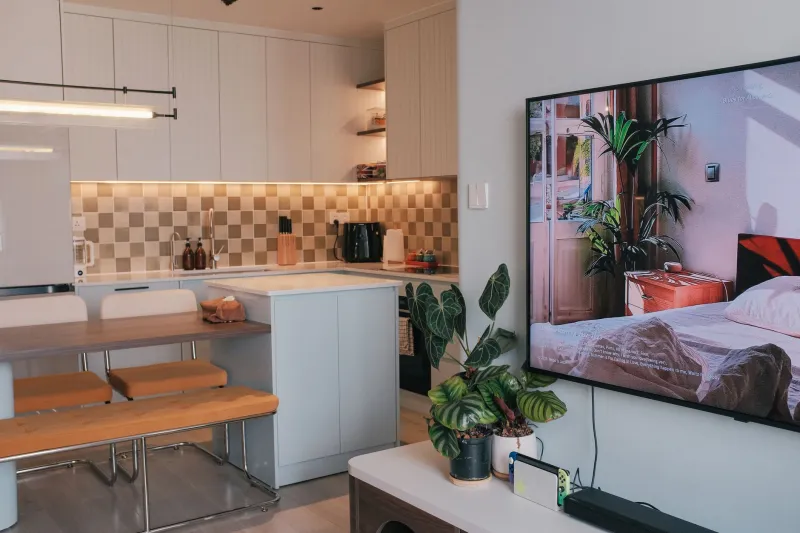
Hygge spaces are deliberately layered with texture: chunky knit throws, sheepskin rugs, linen cushions, worn wooden surfaces. This isn't arbitrary interior design. It's a multi-sensory strategy for communicating safety to a nervous system that's constantly scanning its environment for threats.
"When we surround ourselves with soft, natural textures, we're sending thousands of small signals to the brain that say 'you're safe here,'" says Dr. Marcus Reyes, a cognitive behavioral therapist based in Portland who incorporates environmental design into his practice. "It's not woo — it's sensory regulation."
Ritual as a Neurological Anchor
One of hygge's most powerful — and least discussed — elements is ritual. The act of making tea deliberately, lighting a candle before settling in for the evening, or setting aside Sunday mornings for slow breakfasts without phones isn't just pleasant. It creates what neuroscientists call "predictive coding" — the brain loves patterns it can anticipate, and familiar rituals reduce cognitive load, signaling that no threat assessment is required.
In practical terms: when your brain knows that the candle going on means relaxation is coming, it starts the parasympathetic shift before you've even sat down. You're essentially training your nervous system with environmental cues.
Bringing Hygge Into an American Home
The good news is that hygge doesn't require a Danish farmhouse or a Scandinavian design budget. Here's how to start rewiring your space — and your nervous system — today.
Audit your lighting first. This is the single highest-impact change you can make. Swap any cool-white bulbs in your living areas for warm-white LEDs (look for 2700K on the packaging). Add at least one floor lamp or table lamp per room so you're not relying on overhead fixtures in the evenings. Candles — even battery-operated ones — add that flicker effect that research associates with reduced mental arousal.
Layer your textiles deliberately. You don't need to redecorate. Add a throw blanket to your couch, a small rug beside your bed, and a few extra cushions in natural fabrics like cotton, linen, or wool. The goal is to make every seating area feel like an invitation.
Create one dedicated slow ritual. It doesn't have to be elaborate. Morning coffee made without your phone. An evening walk before dinner. A weekly bath with actual candles and no podcast. Pick one and protect it. The consistency matters more than the activity itself.
Bring nature indoors. Hygge spaces consistently feature natural materials — wood, stone, plants, dried botanicals. Even a small potted plant or a wooden cutting board left on the counter contributes to what researchers call "biophilic design," which has been shown to lower stress markers and improve mood.
Manage your soundscape. Hard surfaces and open floor plans create echo and ambient noise — both of which keep the nervous system slightly on edge. Rugs, curtains, and soft furnishings absorb sound. Curate a playlist of low, warm music or nature sounds for your wind-down hours. The auditory environment matters as much as the visual one.
Coziness Is a Wellness Practice
We've spent years treating comfort as something slightly indulgent — a guilty pleasure, a lazy Sunday exception to the rule of productivity. But the research tells a different story. Environments that activate the parasympathetic nervous system support immune function, improve sleep quality, reduce anxiety, and make us more resilient to stress over time.
Hygge isn't about aesthetics, and it was never really about scented candles or Instagram-worthy interiors (though those can be part of it). It's about understanding that your environment is constantly communicating with your nervous system — and choosing, deliberately, what you want it to say.
The Danes figured this out a long time ago. We're just now catching up.