Dressed for Comfort: How to Build a Wardrobe That Feels Like Home No Matter Where You Are
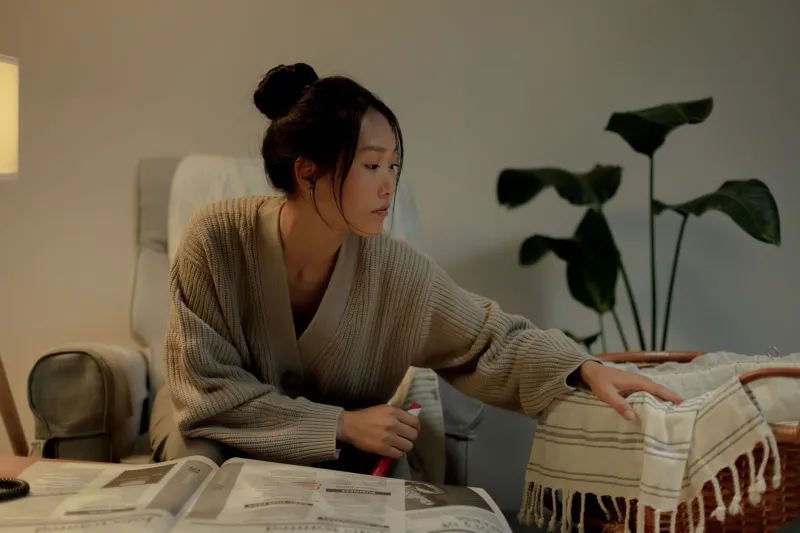
Remember when getting dressed meant choosing between comfort and looking like you tried? Oversized sweats for the couch, uncomfortable jeans for literally everything else? That era is over — and not just because of the pandemic. Something deeper has shifted in how Americans think about clothing, and the fashion world is finally catching up.
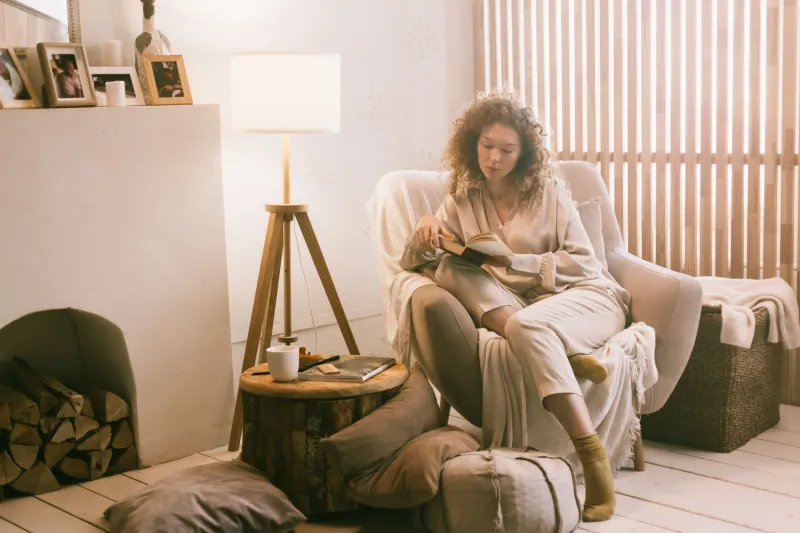
Call it comfort core, quiet luxury, or elevated loungewear — the movement toward clothing that feels genuinely good while still looking intentional is one of the most significant style shifts in a generation. And for those of us who've built our homes into sanctuaries of warmth and ease, it only makes sense that our wardrobes follow suit.
What Is 'Comfort Core,' Really?
Comfort core isn't just athleisure with a rebrand. It's a broader philosophy: the idea that your clothing should support your life rather than restrict it. That you shouldn't have to mentally prepare yourself to sit down in your own pants. That softness, ease of movement, and tactile pleasure are legitimate priorities — not concessions to laziness.
Fashion consultant and stylist Brianna Cole, who works with clients in Chicago and remotely across the US, puts it plainly: "My clients used to apologize for wanting comfortable clothes, like it meant they'd given up. Now they're leaning into it as an identity. Comfort isn't the absence of style — it's a style choice."
This shift overlaps significantly with the 'quiet luxury' conversation that's been rippling through fashion media over the past couple of years. Quiet luxury rejects loud logos and trend-chasing in favor of quality fabrics, clean lines, and pieces that feel expensive without announcing themselves. The overlap with comfort core? Both prioritize how clothing feels over how it performs as a status signal.
The Foundation Pieces Worth Investing In
Building a comfort-first wardrobe doesn't mean buying everything at once. It means being strategic about which pieces earn a permanent place in your rotation. Here's where to start.
The Perfect Heavyweight Crewneck Not a thin, scratchy sweatshirt — a real one. Look for a 100% cotton or cotton-fleece blend with substantial weight (400gsm or higher if the brand lists it). Brands like Everlane, Madewell, and American Giant make crewnecks that transition effortlessly from weekend mornings to casual errands. In a neutral tone — oatmeal, slate, washed black — this becomes the backbone of your comfort wardrobe.
Straight-Leg Trousers in a Soft Fabric The biggest trouser upgrade most people can make is switching from rigid denim to a soft, slightly structured fabric: ponte knit, brushed twill, or a linen-cotton blend. These pants look polished but feel closer to pajamas. J.Crew's Pull-On Straight Pant and Quince's stretch trousers are solid starting points at different price points.
A Cashmere or Cashmere-Blend Layer Cashmere used to mean a significant splurge, but brands like Quince and Uniqlo have made it genuinely accessible. A lightweight cashmere cardigan or turtleneck layers over everything, adds immediate warmth and texture, and elevates even the most casual outfit. It also, for the record, feels extraordinary against your skin — which is the whole point.
Elevated Lounge Sets Matching sets have had a moment, and for good reason. A well-made lounge set in a coordinating fabric reads as an intentional outfit rather than pajamas you forgot to change out of. Brands like Eberjey, Skims, and Lunya make sets that work for a slow morning at home and a casual lunch out. Stick to solid colors or subtle patterns to maximize versatility.
Slip-On Footwear That Doesn't Look Like Slippers Your footwear is doing a lot of work in a comfort wardrobe. The goal is something you can wear from the house to the farmer's market without a second thought. Birkenstock's Boston clogs, Ugg's Tasman slippers (yes, they're technically slippers, but try telling that to anyone on the street), and leather loafers from brands like Bass or Sam Edelman hit the sweet spot between ease and presentability.
Transition Pieces: The Secret Weapon
The real magic of a comfort wardrobe is in what stylists call transition pieces — items that genuinely work in multiple contexts without feeling like a compromise in either direction.
A oversized blazer over a cotton tee and soft trousers is perhaps the ultimate transition outfit. It's put-together enough for a work-from-home video call or a casual dinner, but the individual pieces are all breathable and easy. Similarly, a longline cardigan worn as a jacket bridges the gap between 'cozy at home' and 'running actual errands.'
"The clients who feel best dressed are the ones who've stopped thinking in outfit categories," Brianna notes. "They're not dressing for 'work' or 'weekend' — they're dressing for their actual life, which moves fluidly between those things."
A Few Practical Notes on Shopping
When building out your comfort wardrobe, touch matters more than it ever did in traditional fashion shopping. If you're buying online, prioritize brands with free returns so you can actually feel the fabric before committing. Read reviews specifically for mentions of softness, shrinkage, and how the item holds up after washing — because comfort clothing that pills after three washes is not doing its job.
Also: buy less, buy better. The comfort wardrobe philosophy aligns naturally with a slower, more intentional approach to shopping. Five pieces you reach for constantly will serve you better than fifteen you feel lukewarm about.
Comfort as a Daily Practice
At The Cozy View, we talk a lot about the home as a sanctuary — a place designed to support rest, warmth, and genuine ease. Your wardrobe is just an extension of that philosophy. When you get dressed in something that feels good, that moves with you rather than against you, that doesn't require constant adjustment or mental negotiation — you're carrying a little bit of that sanctuary with you all day.
That's not a small thing. That's comfort core in practice.