When Cozy Becomes a Chore: Breaking Free From the Tyranny of the Perfect Nest

Somewhere between your third throw pillow purchase and your fourteenth attempt at getting the candle arrangement just right, something went sideways. What started as a genuine desire to feel comfortable at home quietly transformed into a second job — one with no pay, no PTO, and a very demanding boss (spoiler: it's you).
This is the comfort paradox, and it's way more common than you'd think. The very systems and aesthetics we build to feel relaxed end up holding us hostage. And if you've ever felt a flicker of dread when your perfectly fluffed couch cushions got smooshed, or a low-grade guilt when the reading nook became a laundry staging area — yeah, we need to talk.
The Moment Comfort Became a Performance
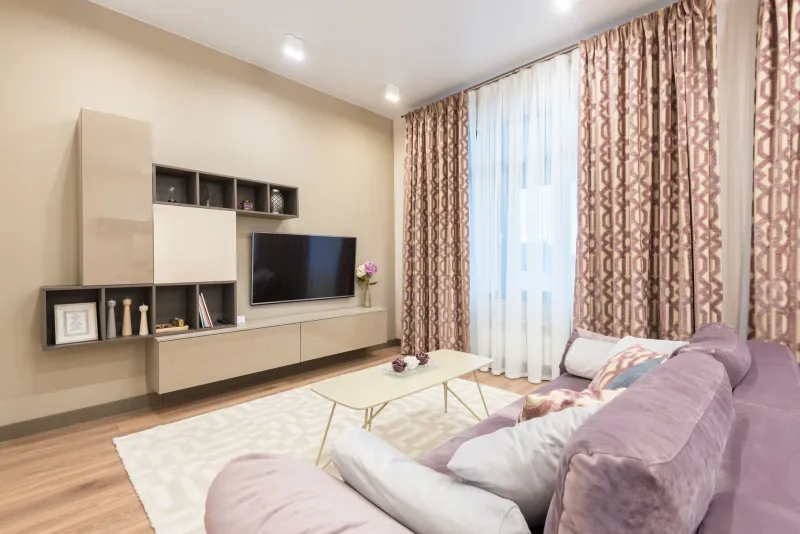
Let's be honest about where a lot of our cozy inspiration comes from: Instagram, Pinterest, TikTok living room tours where everything is warm-toned, spotless, and suspiciously unoccupied by actual humans. These images are beautiful. They're also fiction.
The problem isn't that we find them appealing — of course we do. The problem is when we start treating them as a standard to maintain rather than a mood to occasionally approximate. Psychologists call this aspirational comparison, and it's the same mechanism that makes you feel worse about your body after scrolling fitness content, except here it's your living room taking the hit.
When your home becomes something you perform rather than something you inhabit, the comfort drains out of it fast. You stop flopping onto the couch because you don't want to mess up the cushions. You avoid the kitchen nook because the plants aren't thriving and it ruins the vibe. You mentally redecorate instead of just... sitting down and breathing.
Perfectionism Is the Anti-Cozy
Here's a truth that nobody's putting on a throw pillow: perfectionism and genuine comfort are fundamentally incompatible.
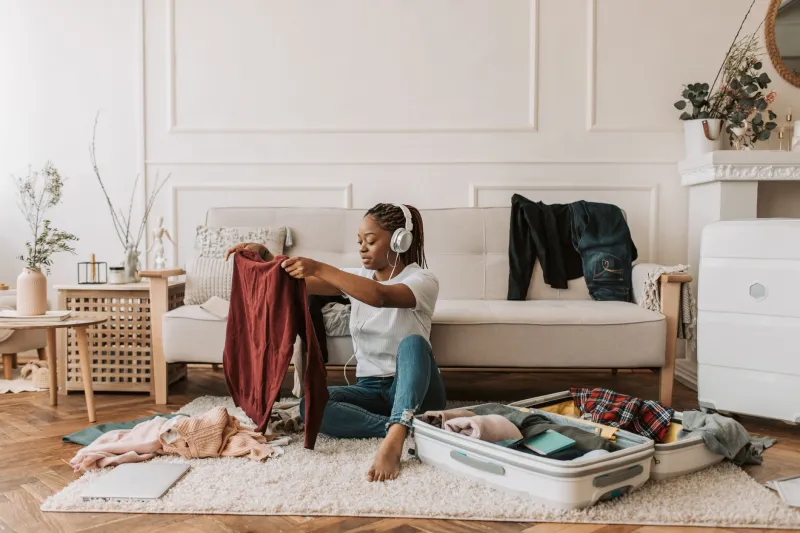
Real coziness — the kind that actually lowers your cortisol and makes you exhale — requires a kind of psychological safety that perfectionism destroys. It requires permission to be messy, to change your mind, to have a stack of books on the floor and a blanket that's been washed so many times it's lost its original color. It requires your space to be lived in, not preserved.
Research in environmental psychology consistently shows that people feel most at ease in spaces that reflect their actual lives, not aspirational versions of them. Personal clutter — the meaningful kind, like a half-finished puzzle or your kid's drawings on the fridge — signals belonging. It says someone lives here and that person is me. Sterile perfection, by contrast, can trigger a subtle but persistent sense of displacement, like you're a guest in your own home.
The Sunk Cost of the Aesthetic
Another layer of this trap is financial and emotional investment. Once you've spent real money on a specific look — the linen curtains, the artisan mugs, the chunky knit throw that cost more than your electric bill — you feel obligated to protect it. Changing things feels like failure, or waste, or admitting you bought into something that didn't actually work for you.
This is sunk cost thinking applied to your living room, and it keeps a lot of people stuck in spaces that don't serve them anymore. Your needs evolve. Your taste shifts. The cozy setup that felt perfect two winters ago might feel stifling now, and that's not a problem with you — it's just life moving forward.
Giving yourself permission to let your space evolve, to swap things out, to try something completely different without treating the old version as a loss — that's actually one of the most psychologically healthy things you can do at home.
Practical Ways to Loosen the Grip
So how do you actually break out of this pattern without just swinging to the opposite extreme of not caring at all? A few approaches that genuinely help:
Separate function from aesthetics. Ask yourself: does this setup make my daily life easier and more pleasant, or does it mainly look good in photos? If it's the latter, something needs to shift. Your home should work for your actual routines, not around them.
Designate a guilt-free zone. Pick one area of your home — a corner, a chair, a whole room if you can — and decide it's allowed to be imperfect indefinitely. Let it be the place where stuff accumulates, where the aesthetic rules don't apply. Notice how you feel in that space versus the curated ones.
Practice the 'good enough' reset. Instead of waiting until you can do a full tidy or a full rearrange, try a five-minute reset that gets things to good enough — not perfect. Straighten the couch, move the dishes, light a candle. Done. The goal is livable comfort, not a photoshoot.
Unfollow liberally. This one sounds small but it's significant. If certain accounts consistently make you feel like your home is lacking, they're not inspiring you — they're stressing you out. Your feed should make you feel warm, not inadequate.
Let mess be evidence of living. Reframe the narrative. The dishes in the sink mean you cooked. The books on the floor mean you're reading. The throw blanket in a heap means you were warm. These aren't failures of your cozy aesthetic — they're proof that your home is actually doing its job.
What Genuine Comfort Actually Looks Like
The coziest homes most of us have ever walked into — a grandparent's house, a best friend's apartment, that one Airbnb that felt like a hug — weren't perfect. They were personal. They had quirks and worn edges and a faint smell of whatever that family actually cooked. They felt like someone's real life was happening inside them.
That's what we're actually chasing when we reach for the throw pillows and the warm lighting. Not the aesthetic itself, but the feeling underneath it — the sense that this is a safe, personal, human place. And here's the thing: you can have that without any of the pressure.
Your cozy life doesn't need to be curated. It just needs to be yours — messy seams, evolving tastes, smushed cushions and all. The view from your own imperfect couch? That's the coziest one there is.